
 •
Rating:
•
Rating:
THE REVIEW
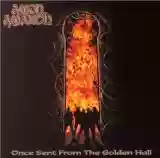
Amon Amarth: the quintessence of viking metal, or at least a certain way of interpreting this peculiar subgenre of heavy metal.
Even though I’d be lying if I said they were one of my favorite bands, they’re definitely one of the names I feel most attached to: and the reason for this might make you smile. The thing is, when I was younger, in the crowded Pisa of the activist collectives (an environment to which, as anyone who knows me is aware, I’ve left a piece of my heart, and which served as the stage for all the albums I love to review), there was—well, still is, but using the present tense ruins the story—a tiny record and merch shop, maybe three meters high and hardly ten square meters wide, probably less, dedicated to music of all genres but which—consistent with being a very street, second-hand and “social” shop—focused above all on different forms of rock and similar styles. It was there that one day, one of the many days I’d go mess around without buying anything, I spotted an incredible t-shirt—flashy enough to put my red Manowar shirt to shame—that I wore to every night out, with axes and Viking symbols: it was love at first sight. Only, I only knew Amon Amarth by name! So, just to be able to buy the shirt without being a poser, I threw myself headlong into listening to the Vikings. Disaster: I hated them, big time! I couldn’t feel the epic vibe that I had always read about in connection with them: by epic, I meant the kind offered by Heavy Load, the aforementioned Manowar, maybe Candlemass at most. Yet, somehow, Amon Amarth kept buzzing in my headphones, and after a while I finally got their formula, I realized I was the one not understanding this band. And—no surprise—the album that hooked me the most was this very debut, a monumental chapter in the history of extreme metal. A few weeks later, a guy wearing an Amon Amarth shirt was glaring at the bourgeois and the hippies.
Sure, maybe the next albums would end up being less unruly and produced a bit better, but for other reasons they might also feel too overblown or trivial. Already in the immediately following records—which are still very enjoyable—I can sense a bit of predictability and a use of ideas orientated more towards a modern, user-friendly kind of extreme metal.
The formula for this album is as follows: Slayer school ruthlessness, Bathory-style paganism, drums pounding like a blacksmith, and guitar lines that—in clever ways—manage to be both muscular and elegant as they weave their way through a cavernous voice straight out of hell. Mammoth tracks, where it really takes an effort to keep track of the narrative, but once they manage to capture you they’ll never let go.
At the time, Amon Amarth truly represented something innovative. Not because bands like Enslaved or Bathory hadn’t already broken in such a Nordic sound, but because they were definitely not black metal—points of similarity with Mayhem: zero—nor were they melodic death (I mean, okay, to some degree we’re within melodeath coordinates, but certainly not in the In Flames sense). Amon Amarth’s metal was modern: we can really use that word here. “Once Sent From the Golden Hall” fuses broken, tight rhythms with moments that please old thrash fans, a voice sure to delight those devoted to old-school death, but which can also please those drawn to the metal of the early 2000s; it has epic and Viking themes, but won’t leave you completely breathless, letting you enjoy them even if you’re not a Scandinavian school fanatic.
The tracks that make up this masterpiece are all more or less of a high level: the broken drumming on “Friends of the Suncross” sends chills down your spine, but let’s talk about the opener! The lengthy “Victorious March” is an epic and solemn piece that stays extremely massive throughout, with a terrifying wall of sound. “Without Fear” has the right melodic ideas, just like the dark “Amon Amarth”. In short, track after track the band forges a sound that might be repetitive—well, certainly repetitive—but which knows how to play a whole host of trump cards.
I don’t think Amon Amarth are one of the greatest metal bands, and maybe this album doesn’t even crack a top 20 of the best metal albums of the '90s. But do you really need me to list which albums it would be up against in such a ranking? The fact remains: “Once Sent From the Golden Hall” is a monument to its genre and the masterpiece of a band that to this day holds up the pillars of extreme metal. You know what? If the whole folk/viking school crowding the festivals today all went back and listened to this masterpiece, and realized that Viking metal is played like this—and not just by dressing up as clowns in animal skins—well, that’d be a real step forward.
“A cry of war emerges, echoes over the field, boldly charging the enemy lines”. Rating: 90/100.
Loading comments slowly
Summary by Bot
This review explores Amon Amarth's first studio album, Once Sent From the Golden Hall. It highlights the band's strong entry into melodic death metal, noting the powerful themes and musicianship present. The reviewer reflects on the album's standing in the genre and its high quality for a debut. The tone is appreciative, conveying respect for the album's impact.Tracklist Lyrics Videos
Amon Amarth
Amon Amarth are a Swedish melodic death metal band formed in 1992 in Tumba. Known for Norse/Viking-themed lyrics, thunderous riffing, and Johan Hegg’s cavernous vocals, they have released a string of acclaimed albums including Once Sent From the Golden Hall, With Oden on Our Side, and Twilight of the Thunder God.09 Reviews
Other reviews
By Bandana Joe
‘Once Sent From The Golden Hall’ is one of those albums made with the heart, which you don’t expect will open the gates to the metal Olympus overnight, but you create, compose and sweat because you believe in it.
The piercing roars of Johan interpreting the furious and desperate father for the death of his son at the hands of the ‘men with only one god’ in ‘Ride For Vengeance’ shake the soul.
